

Abstract
Introduction
Adding a compatible chelator to the sodium hypochlorite (NaOCl) solution applied during instrumentation may affect shaping efficacy and canal transportation. This was studied in simulated double-curved root canals.
Methods
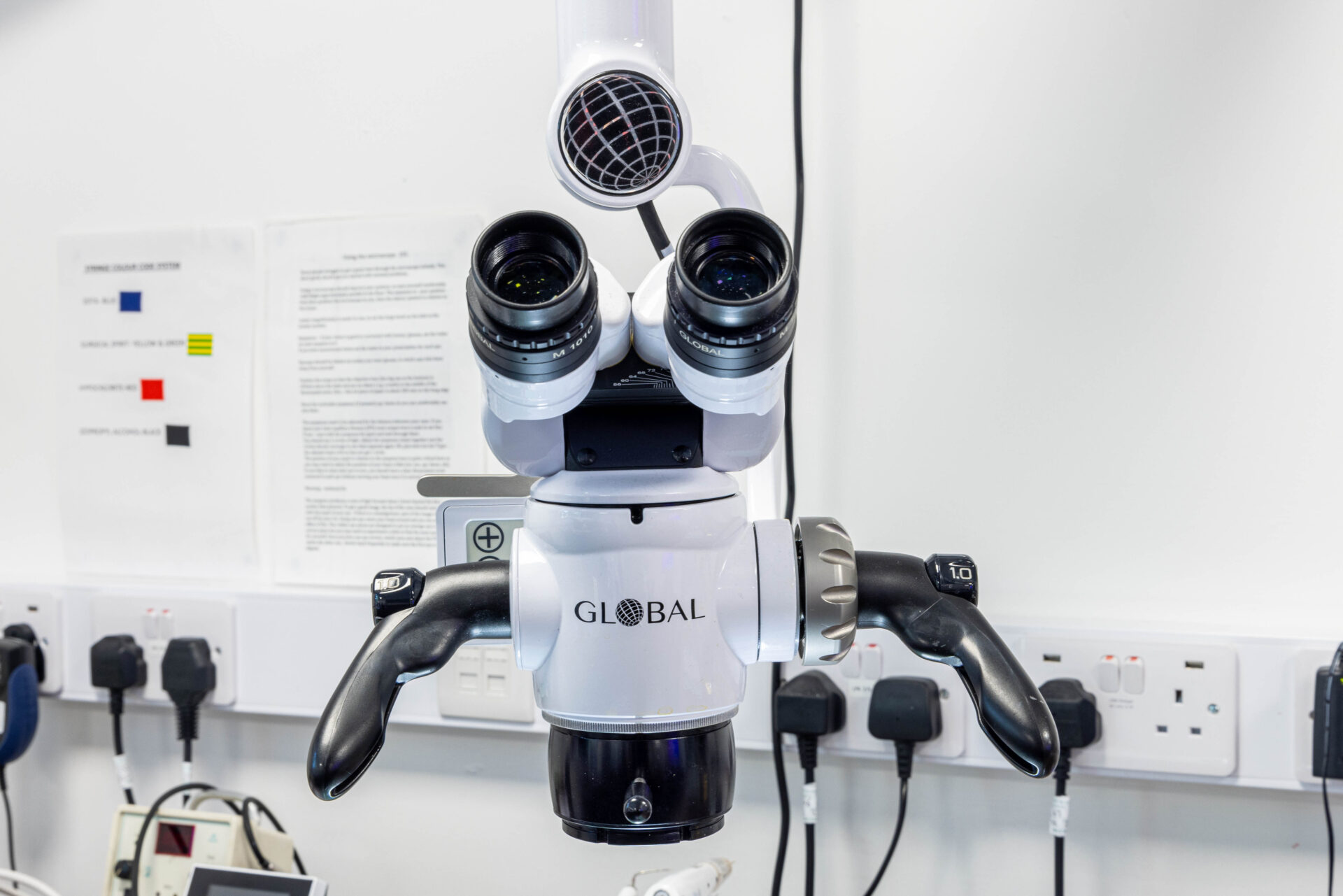
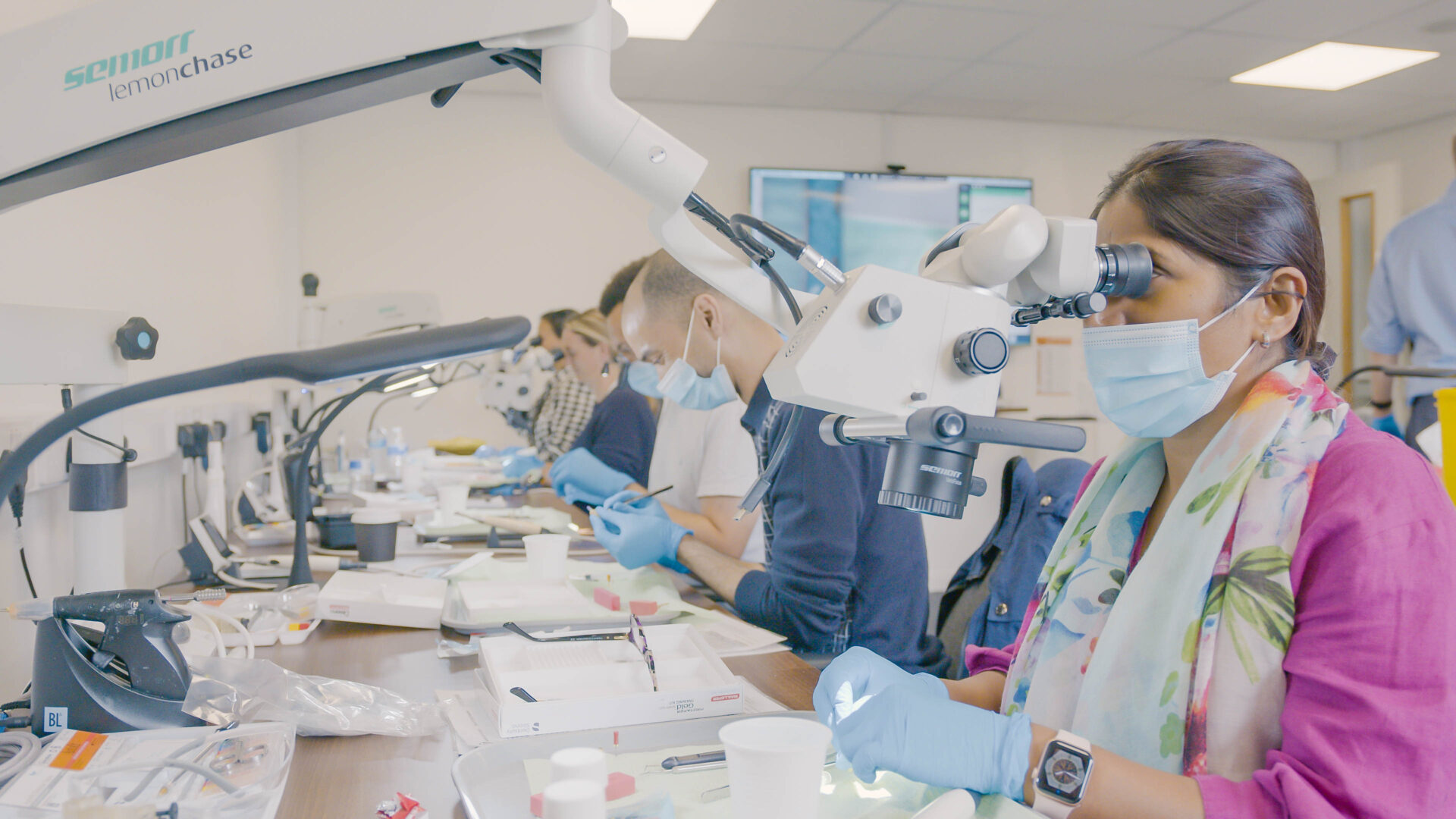
High-precision computer numerical control milling was used to recreate standardized S-shaped canals from a resin training block in longitudinally sectioned bovine incisor roots. These simulated root canals were instrumented chemo-mechanically at 37°C using a single-length rotary file system (ProTaper Gold). An etidronate powder (Dual Rinse HEDP) was dissolved (0.9 g per 10 mL) in a 1% NaOCl solution in the test group (n = 15), while the plain NaOCl solution was applied in the control group. Instrumentation was performed by one operator blinded to the irrigating solution. Instrumentation time was measured using a stop watch. Pre- and postoperative images were obtained by a second (blinded) investigator using a digital microscope, and super-imposed to assess canal straightening by totalizing transportation from 8 predefined locations. Data were compared between groups using Student’s t-test, P < .05.
Results
Adding the chelator, total instrumentation time was reduced to 75 ± 12 s as compared to 86 ± 14 s with plain NaOCl (P < .05). This time difference was related to the first rotary instrument in the system (S1). Canal straightening was also reduced significantly with the chelator compared to the plain 1% NaOCl solution (P < .05), while transportation at working length was similar between groups.
Conclusion
Under current conditions, continuous chelation expedited canal instrumentation and maintained simulated canal curvatures.
Key Words
CNC milling
endodontic training bloc
HEDP
root canal